
A very happy new year to all my readers. As a recap of year, here is a list of the ten most visited blog posts of 2014.

The most popular post of 2014 is, by quite a margin, my attempt to deconstruct the selfie in relation to the history of self-portraiture, the ubiquity of mobile phone technology and the emergence of a particular type of celebrity culture epitomised by Kim Kardashian.
______
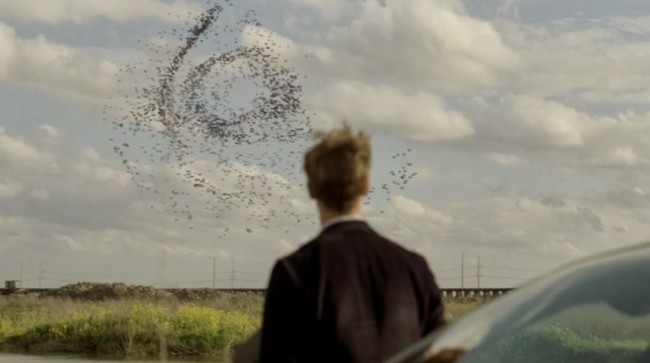
2. Exploring the Visual Style of True Detective
This post analyses the visual style in the popular TV crime drama ‘True Detective’. With reference to a number of specific scenes, the post highlights how the makers of ‘True Detective’ have tapped into iconographic elements borrowed from painting and photography. The post was subsequently translated into Portuguese by the Brazilian film scholar Marcelo Ribeiro.
______
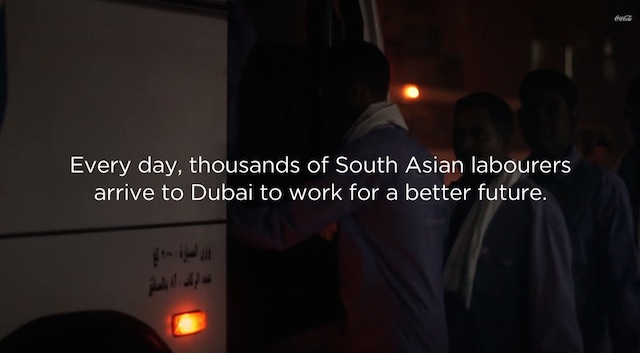
3. Coca Cola and the Exploitation of the Migrant Worker
This post is a critique of a controversial Coca Cola ad about Indian migrant workers based in the Middle East. Rather than highlighting the suffering or indeed helping this marginalised group of mostly male workers, the ad is a contrived attempt to produce a feel-good-factor. The post argues that the ad is a cunning representation of the economic and social inequalities of the 21st century.
______
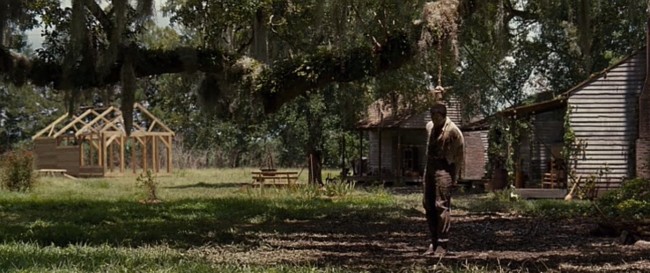
4. Steve McQueen and the Long Take
This post is a visual analysis of scene in Steve McQueen’s haunting feature film ’12 Years a Slave’. The post makes reference to McQueen’s previous work as artist an filmmaker, and how the long take in cinema is strategically used to emphasise the depiction of physical and psychological suffering.
______

5. The Misogynistic Lens in Hollywood Cinema
This post look at the misogynistic representation of the main female character in Woody Allen’s latest film ‘Blue Jasmine’. E Michelson, a regular reader of the blog, has written a thought-provoking counter analysis in the comment section of the blog.
______
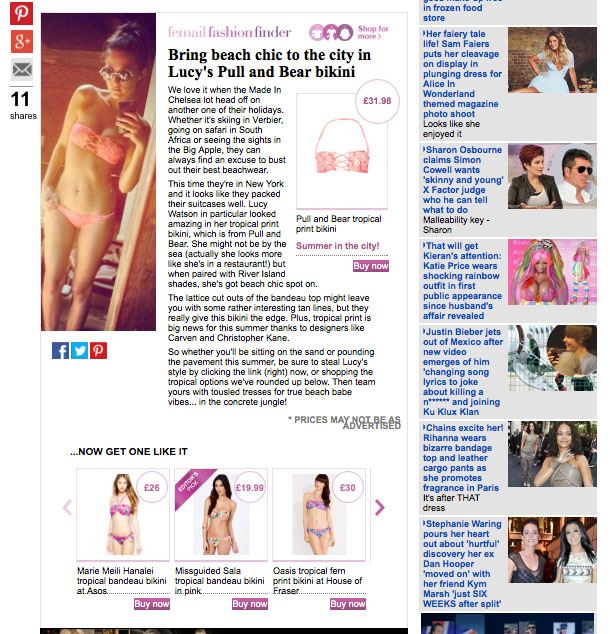
6. The Selfie and a New Global Economic Order
This post relates the rise of the selfie to commercial interests in the media, advertising and fashion industries. The post makes the case that the selfie has been appropriated by media conglomerates in order to advertise and sell merchandise online.
______

7. Visual Allegories and Media Depictions of the Gaza War
This post is a visual analysis of a widely disseminated photograph from the recent shelling of Gaza. The photograph depicts a crying girl whose face is covered with blood and debris. The post makes the case that the international media – incapable of actually depicting the true atrocities occurring in Gaza – use visual allegories that seek to represent the trauma of war indirectly or through metaphors.
______
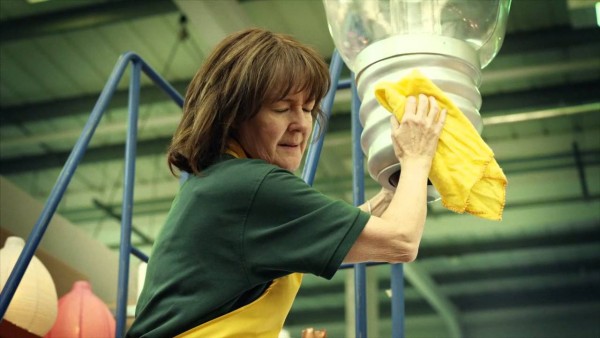
8. The Happiness of the Working Poor
This post analyses how an ad for the British high street bank Halifax is targeted at people on the lower end of the economic spectrum. The post criticises how the ad disguises high interest rates and fees for those with little money. Similar to the Coca Cola ad outlined above, this ad too is a representation of the unequal social and economic world that we live in.
______
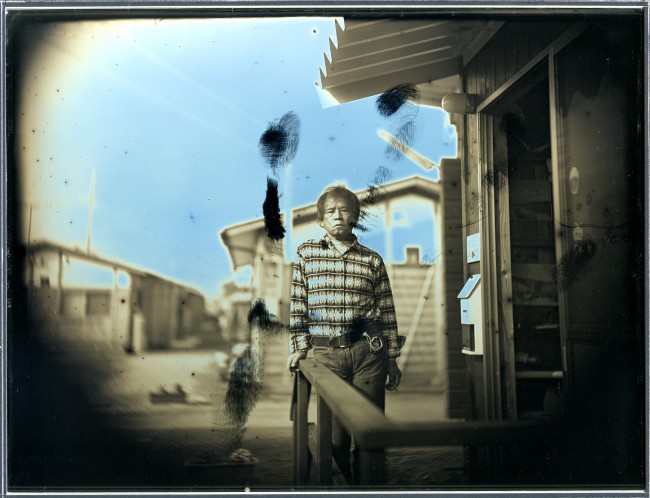
9. Takashi Arai’s Photographic Monuments to a Manmade Disaster
This post looks at the work of Takashi Arai who photographed the area surrounding the Fukushima power plant after the nuclear fallout triggered by the earthquake and tsunami of March 2011. Source Magazine commissioned me to write about Takashi Arai’s work for the autumn issue 2014.
______
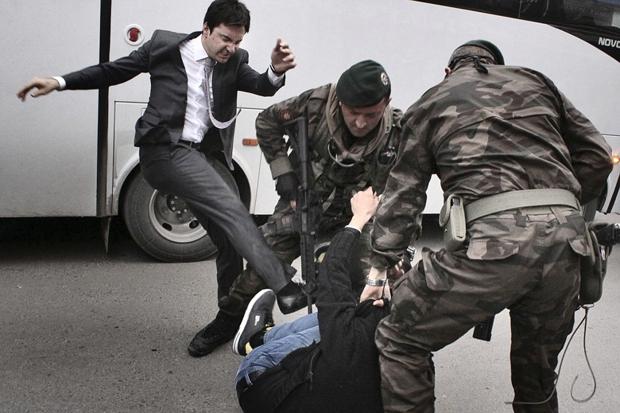
10. Soma and the Contemptuous Regime
This blog post looks at a photograph taken in the aftermath of the mining disaster in Soma, Turkey. It shows a government official apparently kicking a protestor who has lost a relative in the disaster. Similar to my analysis of the infamous photograph of a woman in a red dress pepper sprayed during a protest in Istanbul’s Gezi Park, the post highlights how the image is a reflection of growing social unrest in Turkey.
______
I wish you all the best for 2015.


